15 Backyard Patio Design Ideas for Every Budget
Size your patio for how you'll use it, pick materials that match your budget, and slope it right—the details that separate a patio you love from one that floods.
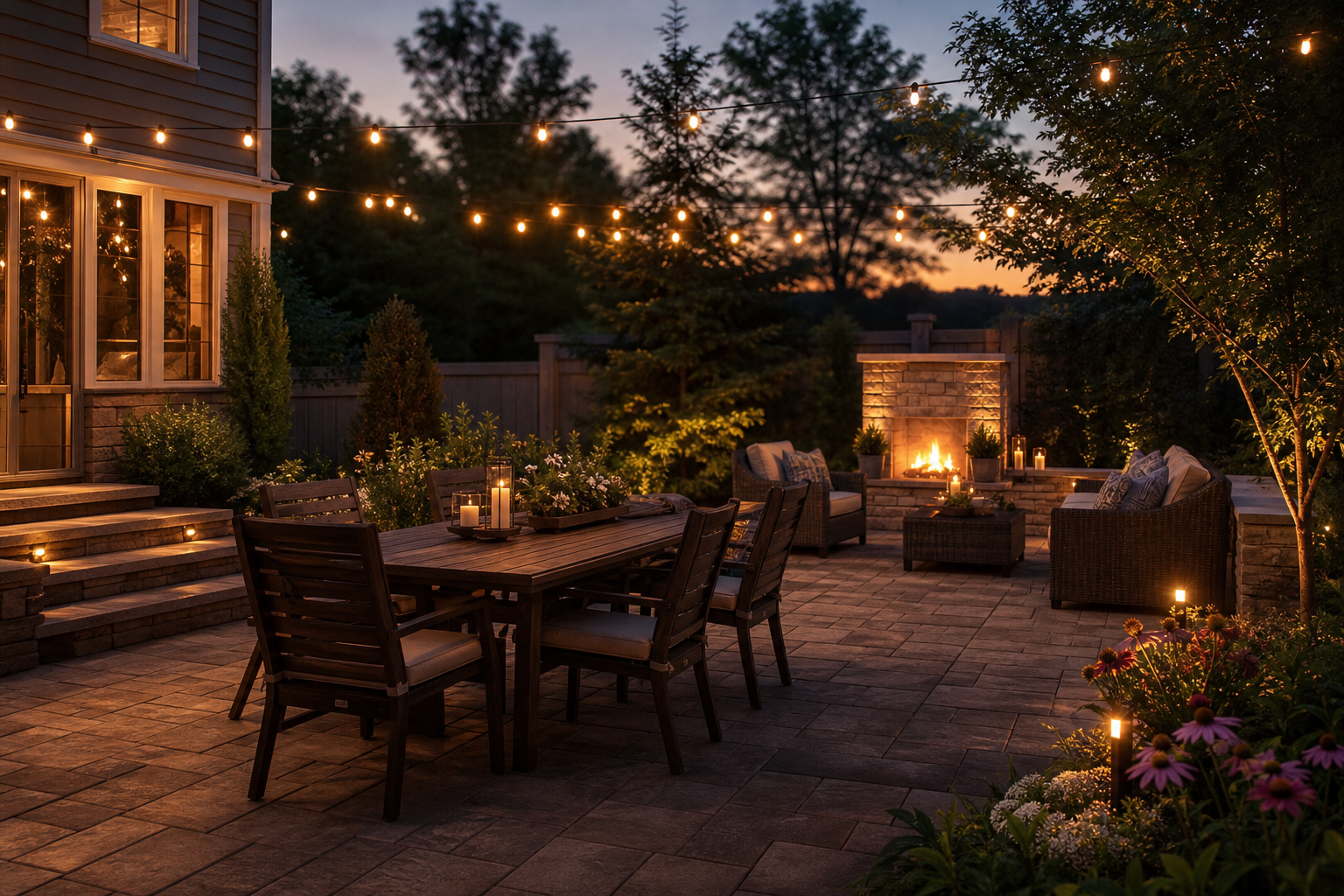
Start With How You'll Actually Use the Space
Before you fall in love with flagstone photos on Pinterest, decide what happens out there. Dining for six needs at least 12×12 feet—table, chairs, and room to pull seats back. A lounge area for two chairs and a side table can work in 10×10 feet.
Planning a fire pit? Most US building codes want 15 feet of clearance from structures, fences, and overhanging branches. Check yours before you pour anything permanent.
Material Comparison
| Material | Cost/sq ft | Lifespan | Best For |
|---|---|---|---|
| Concrete pavers | $8–$20 | 25+ years | DIY-friendly, versatile |
| Stamped concrete | $10–$18 | 20–30 years | Seamless look, custom patterns |
| Flagstone | $15–$30 | 50+ years | Natural, upscale appearance |
| Gravel | $1–$3 | Ongoing | Budget paths, rustic style |
| Composite decking | $12–$25 | 25–30 years | Elevated or sloped yards |
Pavers forgive mistakes—you can lift and relevel a section. Stamped concrete doesn't offer that mercy.
Ideas by Budget
Under $1,000
Gravel patio with metal or plastic edging, string lights, and secondhand outdoor furniture. Container gardens add color without permanent landscaping costs. It's not fancy, but it's where a lot of great summer evenings start.
$1,000–$5,000
A DIY concrete paver patio, roughly 12×12 feet, is achievable in a weekend if you rent a plate compactor and don't skip the base prep. Add a pergola kit ($300–$800) for shade—you'll use the space more when it's not blazing at noon.
$5,000–$15,000
This is pro-install territory: flagstone, a built-in seating wall, fire pit, and low-voltage landscape lighting. Labor eats most of the budget, but the result should last decades with minimal repair.
Drainage Is the Detail Everyone Skips
Slope the surface ¼ inch per foot away from the house. Build a gravel base 4–6 inches deep, compacted in layers. In freeze-thaw climates, water that sits under pavers heaves them every spring.
I've seen $8,000 patios fail within five years because the base was rushed. The pretty top layer is the smallest part of the job.